

Planning to buy a bodyboard, but don't know where to start? Then you've come to the right place. In this complete guide, you will learn everything about bodyboards: from the different materials and components to choosing the right size. Whether you are looking for a bodyboard for kids, a solid beginner's model or an advanced board for serious waves - we will help you get started.
A good bodyboard makes the difference between clumsy floundering and gliding confidently through the waves. That is why it is important not to just pick the first board you come across. The right size, core materials, slick and tail shape all determine how the board performs in the water.
In this article, we explain what to look out for when buying a bodyboard, which sizes fit your height and weight, and which types of boards are suitable for different ages and levels. We also give practical tips on maintenance, techniques and inspiration to make bodyboarding a real lifestyle.
Whether you are just starting out in bodyboarding or want to take your skills to the next level - find out everything you need to be optimally prepared to hit the water here.
The Basics of Bodyboards:
Bodyboards are designed with specific features to optimise performance in the water. The main components of a bodyboard are the core (core), the slick (bottom), and the deck (top).
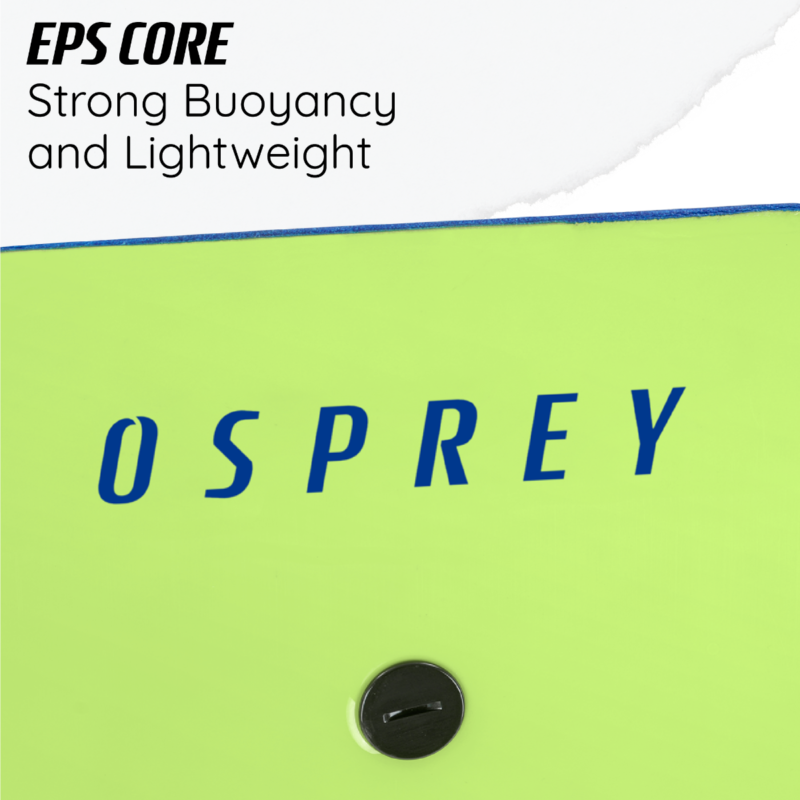
Core
- EPS (Expanded Polystyrene): Lightweight and offers excellent buoyancy. Ideal for beginners and intermediates.
- PE (Polyethylene): Flexible and provides instant feedback, suitable for colder waters and advanced riders.
- PP (Polypropylene): Lightweight and strong, offers the best performance for advanced riders.
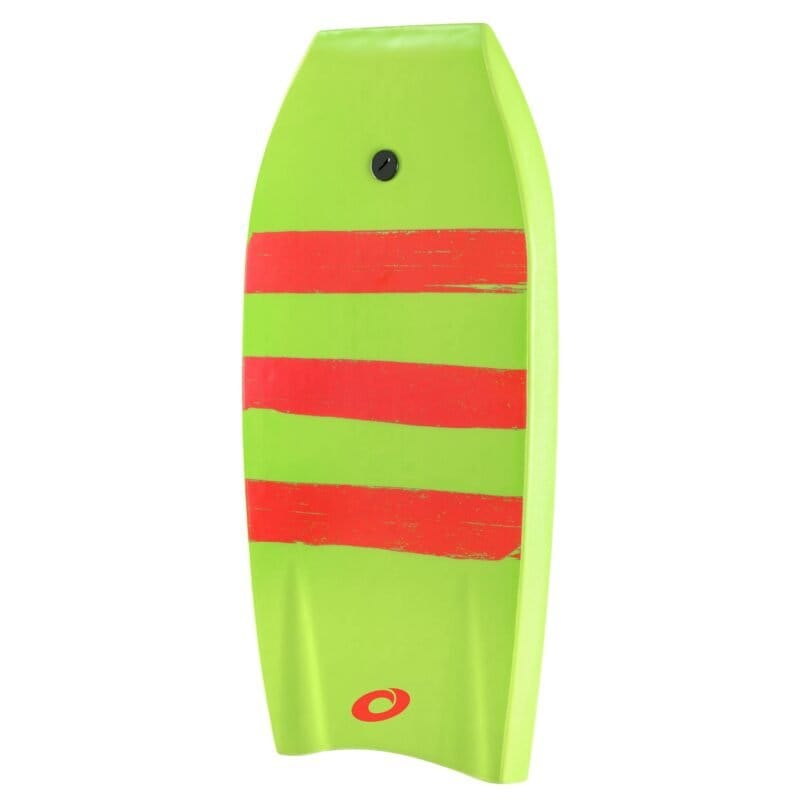
Slick
- HDPE (High-Density Polyethylene): Durable and provides a smooth gliding experience. Suitable for beginners and intermediates.
- Surlyn: More flexible and responsive, ideal for advanced riders because of its ability to quickly return to its original shape.

Deck
- XPE (Crosslinked Polyethylene): Provides excellent grip and comfort, durable and withstands heavy use.
- IXPE (Irradiated Crosslinked Polyethylene): Higher density and extra stiffness, suitable for riders who need more control and performance.
Tails
There are different types of tails, each with unique characteristics to suit different styles and levels of surfing.
https://winkelvanhugo.nl/winkel/watersport-strand/surf-bodyboards/bodyboards/osprey-bodyboard-sticker-33-inch-blauw/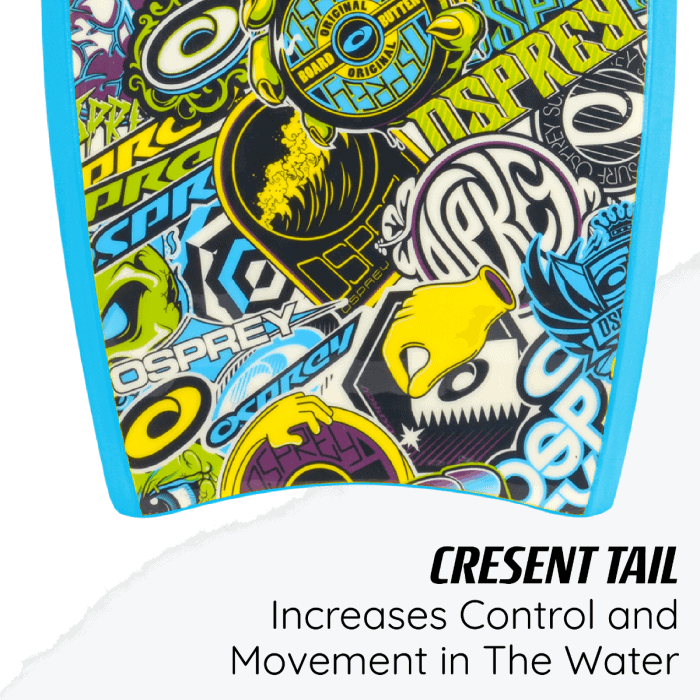
Crescent Tail Bodyboard
- Offer excellent control and stability, ideal for both drop knee and prone riders.

Bat Tail Bodyboard
- Offer more buoyancy at the back of the board, which is especially useful for heavier riders or for use in weaker waves.
Choosing the Right Size Bodyboard
Choosing the right size bodyboard is crucial for a good surfing experience. Here are some methods to determine the right size:
- Method 1: Choose a bodyboard as high as your navel when standing upright.
- Method 2:When you hold the bodyboard in front of you, it should reach from your knees to your chin.
Bodyboards for Beginners and Children
For beginners and children, it is important to choose a bodyboard that will help them learn the basics of bodyboarding and have fun in the water. Here are some recommendations:
- Osprey Sticker Bodyboard 33″: Suitable for children between 115-145 cm and 20-35 kg.
- Yello Slick ZigZag 41″ Bodyboard: Ideal for teenagers between 157-167 cm up to 82 kg.
Bodyboards for Intermediate and Advanced Riders
Advanced riders benefit from bodyboards that enable advanced manoeuvres and offer higher speeds.
- Osprey Shatter 42″ Bodyboard: Suitable for teenagers and adults between 160-183 cm and 65-90 kg.
- Osprey Bodyboard STX 44″: Ideal for teenagers and adults between 175-195 cm and 75-130 kg.
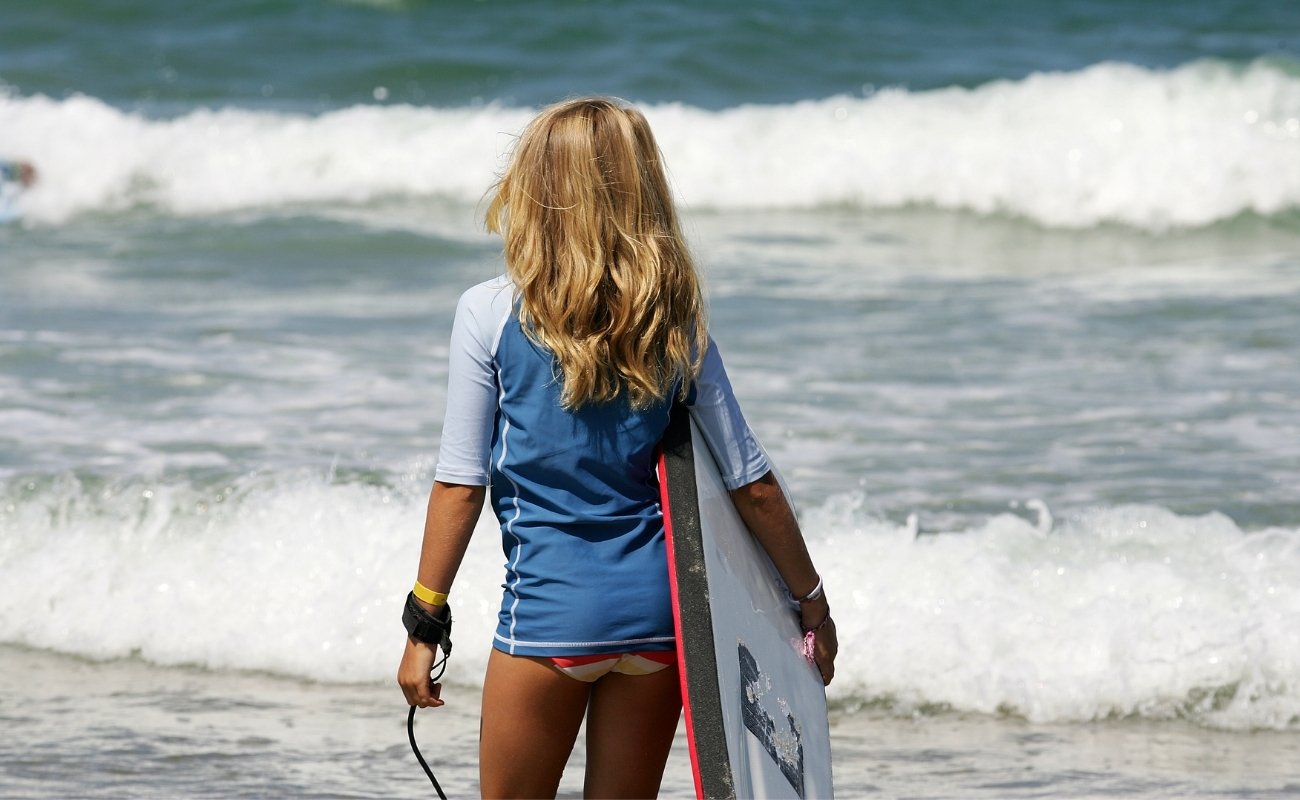
How to start bodyboarding
Bodyboarding is easy to learn and requires minimal equipment. Here are some tips for getting started:
- Choose the right board.
- Use a leash. (Supplied with us as standard)
- Practice paddling and catching waves.
- Use swimming flippers.
- Bodyboard Bag
Bodyboarding in Practice:
Tips and Techniques:
Now that you know the basics about bodyboards, it's time to get started. Here are some practical tips and techniques to improve your bodyboarding skills:
- Paddling: Use powerful, slow strokes.
- Positioning on the board: Place your body in the middle of the board.
- Rising on the wave: Wait until the wave is close, jump up and provide balance.
- Manoeuvring on the wave: Use your arms and shoulders for direction.
- Landing and disembarkation: Bend your knees and spread your arms for balance.
Care and maintenance of your bodyboard
To keep your bodyboard in optimal condition, regular maintenance and care is important. Here are some tips:
- Protect from sunlight.
- Rinse with fresh water.
- Keep the board flat.
- Quickly repair minor damage.
Bodyboarding as a Lifestyle
For many people, bodyboarding is more than just a sport, it is a lifestyle. It combines adventure, nature experience and a sense of freedom.
Surf culture:
- Bodyboarders are part of a vibrant surf culture with its own traditions and social gatherings.
Healthy Lifestyle:
- Bodyboarding improves your cardiovascular fitness, muscle strength and flexibility.
Environmental awareness:
- Bodyboarders seek sustainable solutions and involvement in clean beaches initiatives.
Adventure and Travel:
- Bodyboarding takes you to beautiful locations around the world.

 Nederlands
 Deutsch
 English (UK)
 Français